

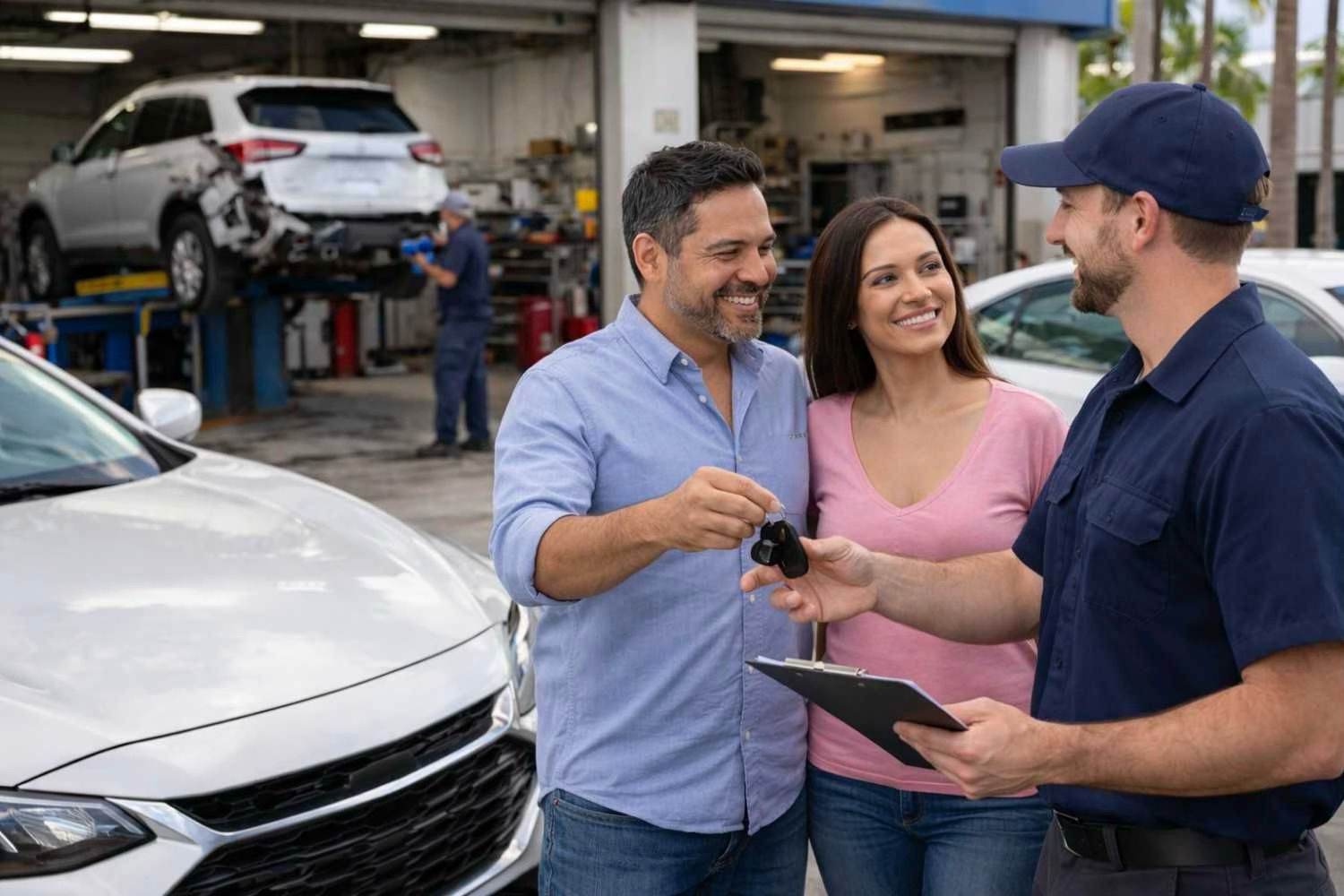
One of the first questions drivers ask after an accident is, “How long will it take to repair my vehicle?”
The answer depends on several factors, including the severity of the damage, parts availability, insurance approvals, and the repair process itself. While some repairs may take only a few days, more extensive collision damage can require several weeks.
Understanding what influences repair timelines can help drivers set realistic expectations and make informed decisions throughout the repair process.
Featured Snippet Answer
Collision repair can take anywhere from a few days to several weeks depending on the extent of vehicle damage, parts availability, insurance approval timelines, and the complexity of repairs. Minor cosmetic repairs may take only a few days, while structural repairs often require additional time.
Why Repair Timelines Vary
No two accidents are exactly alike.
Several factors influence how long collision repair takes, including:
- Type of damage
- Vehicle make and model
- Parts availability
- Insurance processes
- Repair shop workload
- Structural repairs required
The more complex the damage, the longer repairs typically take.
Types of Collision Damage
Minor Cosmetic Damage
Examples include:
- Small dents
- Minor scratches
- Paint damage
- Bumper scuffs
These repairs often require less time because structural components are not affected.
Moderate Damage
Examples include:
- Damaged bumpers
- Fender damage
- Door repairs
- Minor panel replacement
Repairs may involve paint matching, replacement parts, and alignment checks.
Major Collision Damage
Examples include:
- Frame damage
- Airbag deployment
- Suspension damage
- Multiple panel replacement
These repairs often require extensive inspection, parts replacement, and safety system calibration.
The Collision Repair Process
Understanding the repair process helps explain why timelines vary.
-
Step 1: Initial Inspection
Technicians assess visible damage, structural concerns, safety system impacts, and repair requirements. A detailed estimate is created.
-
Step 2: Insurance Review
Insurance companies may require estimate reviews, damage verification, and supplemental approvals. This stage can influence overall repair timelines.
-
Step 3: Parts Ordering
Replacement parts may include OEM components, aftermarket parts, or specialty items. Parts availability often becomes one of the biggest factors affecting repair duration.
-
Step 4: Repairs Begin
Technicians perform structural repairs, body work, component replacement, and mechanical corrections.
-
Step 5: Paint and Refinishing
Paint work includes surface preparation, color matching, refinishing, and curing. Modern paint systems require proper drying and curing times.
-
Step 6: Quality Control Inspection
Before delivery, repair facilities inspect structural integrity, paint quality, safety systems, and vehicle operation. This final stage helps ensure repairs meet quality standards.
Common Factors That Delay Repairs
Hidden Damage
Many accidents involve damage that is not immediately visible.
Examples include:
- Frame issues
- Sensor damage
- Suspension concerns
- Internal structural damage
Additional repairs often require supplemental insurance approvals.
Parts Availability
Supply chain challenges can affect repair schedules. Certain vehicles may require manufacturer-specific parts, specialty components, or imported materials. Waiting for parts can significantly impact completion timelines.
Insurance Approvals
Some claims require additional review before repairs proceed. Prompt communication can help reduce delays.
Typical Collision Repair Timeframes
| Type of Repair | Typical Timeline |
|---|---|
| Minor Cosmetic Repairs | Several Days |
| Moderate Body Repairs | 1-2 Weeks |
| Major Collision Repairs | Multiple Weeks |
| Structural Damage Repairs | Several Weeks or Longer |
Actual repair times vary based on vehicle condition and repair complexity.
Why Modern Vehicles Take Longer to Repair
Today’s vehicles contain advanced technology such as:
- Cameras
- Sensors
- Driver assistance systems
- Radar equipment
Even relatively minor accidents may require recalibration and testing of these systems. This additional work helps ensure safety and proper functionality.
Real-World Example
A driver experiences a minor rear-end collision. Initially, visible damage appears limited to the rear bumper. During inspection, technicians discover hidden structural damage, parking sensor issues, and alignment concerns. Although the repair takes longer than originally expected, identifying and correcting all damage ensures the vehicle is fully restored and safe to drive.
How to Speed Up the Repair Process
Drivers can help reduce delays by:
- Reporting claims promptly
- Providing accurate information
- Responding quickly to requests
- Choosing experienced repair facilities
- Scheduling inspections promptly
Communication plays a significant role in keeping repairs moving efficiently.
Why Quality Matters More Than Speed
While everyone wants their vehicle returned quickly, quality repairs should always remain the priority.
Proper repairs help protect:
- Vehicle safety
- Structural integrity
- Resale value
- Appearance
- Long-term reliability
Rushed repairs can create future problems that become more costly to correct later.
Choosing the Right Collision Repair Facility
Look for a repair shop that offers:
- Experienced technicians
- Modern equipment
- Insurance coordination
- Quality control processes
- Warranty-backed repairs
A reputable collision center helps ensure accurate repair timelines and dependable results.
Internal Linking Opportunities
- Collision Repair Services
- Auto Body Repair
- Insurance Claim Assistance
- Paintless Dent Repair
- Contact Us
External Resources
- National Highway Traffic Safety Administration
- Insurance Information Institute
- Florida Highway Safety and Motor Vehicles
Frequently Asked Questions
How long do minor collision repairs take?
Minor cosmetic repairs often take only a few days, depending on parts and scheduling.
What causes repair delays?
Parts availability, hidden damage, insurance approvals, and specialty repairs are common causes of delays.
Can hidden damage extend repair time?
Yes. Additional damage discovered during repairs frequently requires supplemental work and approvals.
Do insurance companies affect repair timelines?
In some cases, insurance reviews and approvals can influence the overall repair schedule.
Is it better to rush repairs?
No. Proper repairs should prioritize safety, quality, and long-term vehicle performance.
Final Thoughts
Collision repair timelines vary based on the severity of damage, parts availability, insurance processes, and repair complexity. While every driver wants repairs completed quickly, ensuring the work is done correctly remains the most important goal.
A professional collision repair facility can help guide you through the process and provide realistic expectations from start to finish.
Call to Action
Need collision repairs after an accident? Contact 411 Collision today for a professional inspection and repair estimate. Our experienced team will assess your vehicle, explain the repair process, and help get you safely back on the road.
