

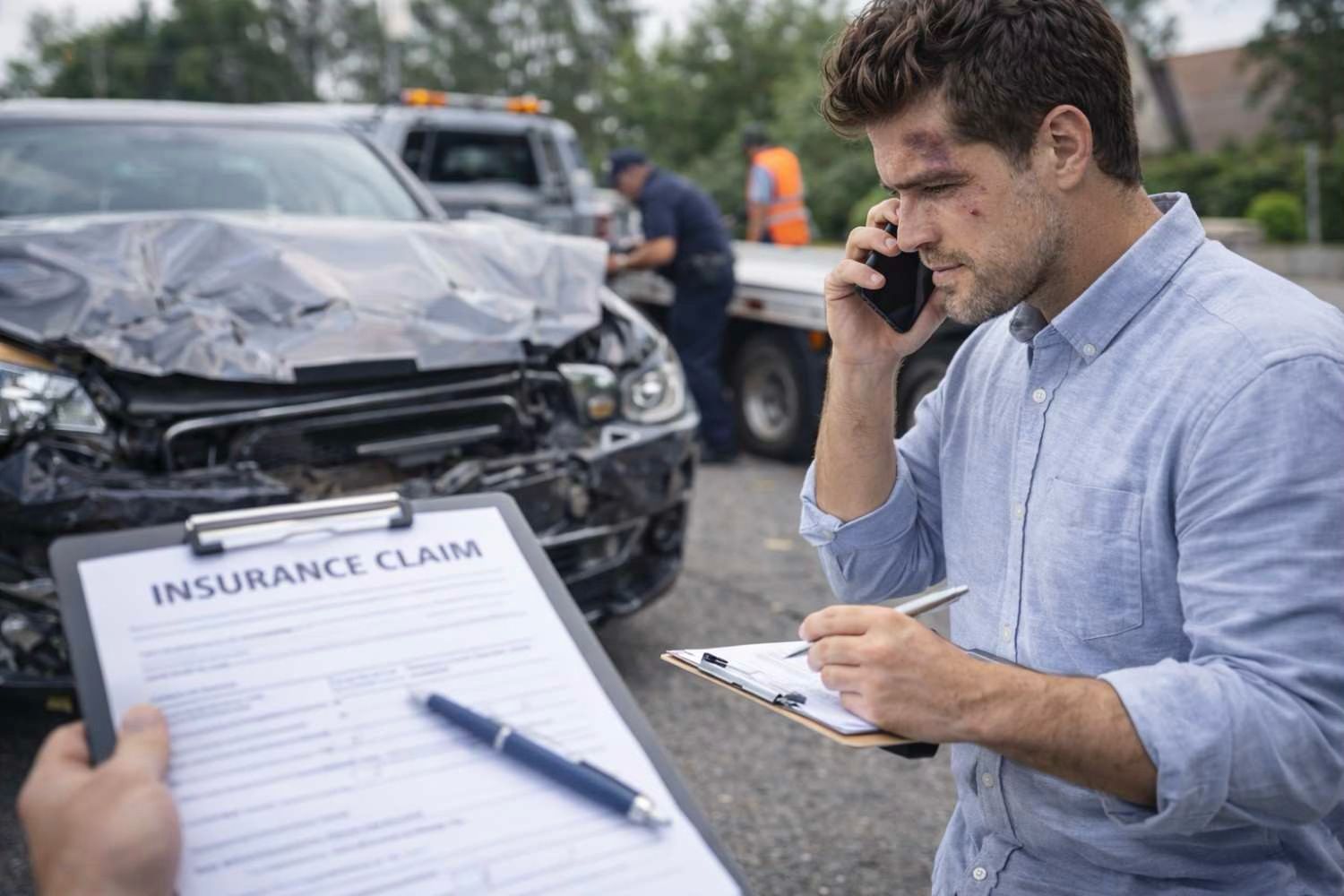
Car accidents happen every day across Florida. Whether it’s a minor fender bender in Miami, a rear-end collision in Fort Lauderdale, or a major accident on I-95, the moments immediately after a crash can be overwhelming.
Many drivers are unsure what to do next. They may be worried about injuries, insurance claims, vehicle damage, police reports, and getting back on the road as quickly as possible.
The actions you take after an accident can directly impact your safety, your insurance claim, your repair experience, and even your financial outcome. This guide walks Florida drivers through the most important steps to take after an accident and explains how to protect yourself throughout the process.
Featured Snippet Answer
After a car accident in Florida, move to a safe location if possible, call 911, check for injuries, exchange information with other drivers, document the scene, notify your insurance company, seek medical evaluation, and schedule a professional vehicle inspection even if damage appears minor.
Why Knowing What to Do Matters
Florida consistently ranks among the states with the highest number of motor vehicle accidents. Even a seemingly minor collision can create hidden vehicle damage, insurance complications, and medical concerns.
Proper accident response helps:
- Protect your safety
- Strengthen insurance claims
- Preserve evidence
- Reduce repair delays
- Prevent costly mistakes
- Protect your legal rights
Step 1: Prioritize Safety First
Your immediate focus should be safety.
If the vehicle can be moved safely:
- Pull off the roadway
- Turn on hazard lights
- Stay away from traffic
- Remain calm
If the vehicle cannot be moved safely, stay in a protected area and wait for emergency responders.
Step 2: Check for Injuries
Even low-speed accidents can cause injuries that are not immediately obvious.
Check:
- Yourself
- Passengers
- Occupants of other vehicles
If anyone appears injured, call 911 immediately.
Florida’s no-fault insurance system often requires timely medical evaluation, making early documentation important.
Step 3: Contact Law Enforcement
Florida law requires reporting certain accidents, especially when injuries, fatalities, or significant property damage occur.
A police report can provide:
- Independent documentation
- Driver information
- Witness statements
- Initial accident observations
Insurance companies frequently rely on police reports during claim reviews.
Step 4: Exchange Information
Gather information from all involved parties.
Collect:
- Full names
- Phone numbers
- Driver license information
- Insurance information
- Vehicle registration details
- License plate numbers
Remain professional and avoid arguing about fault.
Step 5: Document the Accident Scene
Photos can become valuable evidence.
Take pictures of:
- Vehicle damage
- Road conditions
- Traffic signs
- Skid marks
- Vehicle positions
- Visible injuries
The more documentation you collect, the stronger your claim file may become.
Step 6: Speak With Witnesses
Independent witnesses can provide valuable information.
If witnesses are available:
- Obtain names
- Collect contact information
- Ask if they observed the collision
Witness statements may help clarify disputed facts later.
Step 7: Avoid Admitting Fault
Many drivers apologize automatically after an accident.
While being polite is appropriate, avoid statements that could be interpreted as accepting responsibility.
Accident investigations often reveal factors that are not immediately obvious at the scene.
Step 8: Notify Your Insurance Company
Report the accident as soon as possible.
Provide:
- Accident details
- Photos
- Police report information
- Contact information for involved parties
Timely reporting helps prevent unnecessary claim complications.
Understanding Florida’s No-Fault Insurance System
Florida operates under a no-fault insurance model. This means drivers generally rely on their own Personal Injury Protection (PIP) coverage for initial medical expenses regardless of fault.
However, serious accidents may involve additional insurance and legal considerations.
Seek Medical Evaluation Quickly
Not all injuries appear immediately. Common delayed symptoms include:
- Neck pain
- Back pain
- Headaches
- Concussions
- Soft tissue injuries
Prompt medical evaluation protects both your health and documentation efforts.
Why Vehicle Inspections Matter
Many drivers underestimate vehicle damage. Modern vehicles contain:
- Advanced safety systems
- Sensors
- Cameras
- Structural components
What appears to be minor cosmetic damage may conceal expensive underlying repairs.
Common Types of Hidden Accident Damage
Hidden issues can include:
- Frame damage
- Suspension problems
- Alignment issues
- Sensor malfunctions
- Airbag system damage
Professional inspections help identify these concerns early.
Choosing a Collision Repair Shop
Not all repair facilities provide the same level of service. Look for:
- Experienced technicians
- Quality repair processes
- Insurance claim assistance
- Warranty-backed repairs
- Transparent communication
A reputable collision center helps simplify the repair process from start to finish.
How Professional Repairs Protect Vehicle Value
Proper repairs help maintain:
- Structural integrity
- Safety performance
- Appearance
- Resale value
Shortcuts and incomplete repairs may create future problems and reduce vehicle value.
Real-World Example
A Florida driver experiences a low-speed rear-end collision. The bumper shows only minor visible damage, so the driver initially assumes repairs are unnecessary.
After a professional inspection, technicians discover hidden structural damage behind the bumper cover and sensor calibration issues affecting safety systems.
Because the vehicle received a complete inspection and proper repairs, the driver avoided future safety concerns and additional repair expenses.
Common Mistakes Drivers Make After an Accident
Avoid these common errors:
- Leaving without documentation
- Forgetting photographs
- Delaying medical care
- Waiting too long to report the claim
- Choosing repairs based solely on price
- Assuming minor damage is harmless
What to Expect During the Repair Process
Most collision repairs follow these stages:
- Initial inspection
- Insurance review
- Repair estimate
- Parts ordering
- Structural and cosmetic repairs
- Quality control inspection
- Vehicle delivery
Understanding the process helps reduce stress and improve communication.
Internal Linking Opportunities
- Collision Repair Services
- Auto Body Repair
- Insurance Claim Assistance
- Paintless Dent Repair
- Contact Us
External Resources
- Florida Highway Safety and Motor Vehicles
- National Highway Traffic Safety Administration
- Insurance Information Institute
Frequently Asked Questions
How soon should I report a car accident in Florida?
You should report the accident to your insurance company as soon as reasonably possible after the collision.
Do I need a police report for a minor accident?
While requirements vary, a police report can provide helpful documentation for insurance purposes.
Can hidden damage exist after a minor accident?
Yes. Modern vehicles often sustain damage beneath exterior panels that is not immediately visible.
Should I get a repair estimate before contacting insurance?
Many drivers notify insurance first, but professional inspections remain important for identifying full damage.
Can I choose my own collision repair shop?
In many cases, yes. Drivers often have the right to select the repair facility they prefer.
Final Thoughts
A car accident can be stressful, but knowing exactly what to do can make a significant difference. Prioritizing safety, documenting the scene, seeking medical attention, notifying your insurer, and scheduling a professional inspection can help protect your health, finances, and vehicle.
The right repair partner can also make the recovery process much easier.
Call to Action
If you’ve recently been involved in a car accident in Florida, contact 411 Collision for a professional inspection and expert collision repair services. Our team can help restore your vehicle, assist with the repair process, and get you safely back on the road.
