After a vehicle accident, drivers are often focused on getting their car repaired as quickly as possible. While speed and convenience are important, one factor that should never be overlooked is whether the repair facility is certified.
Modern vehicles are more complex than ever before. They contain advanced safety systems, sophisticated electronics, high-strength materials, cameras, sensors, and driver-assistance technologies. Properly repairing these systems requires specialized training, equipment, and procedures.
Choosing a certified collision repair shop can make a significant difference in the quality, safety, and long-term reliability of your vehicle after an accident.
Featured Snippet Answer
Certified collision repair shops meet manufacturer or industry standards for training, equipment, repair procedures, and quality control. Choosing a certified facility helps ensure repairs are performed correctly, safety systems function properly, and vehicle value is protected.
What Is a Certified Collision Repair Shop?
A certified collision repair facility has completed specific requirements established by vehicle manufacturers or recognized industry organizations.
Certification programs often require:
- Specialized technician training
- Approved repair procedures
- Advanced equipment
- Ongoing education
- Quality control standards
These requirements help ensure vehicles are repaired according to current industry standards.
Why Certification Matters More Than Ever
Today’s vehicles include advanced technologies such as:
- Collision avoidance systems
- Adaptive cruise control
- Lane departure warning systems
- Parking sensors
- Cameras
- Airbag systems
Improper repairs can affect the performance of these critical safety features. Certification helps ensure technicians understand how to repair and recalibrate these systems correctly.
Benefit #1: Proper Repair Procedures
Vehicle manufacturers develop detailed repair guidelines. Certified repair facilities have access to:
- Factory repair information
- Approved repair methods
- Manufacturer recommendations
Following proper procedures helps restore vehicles to pre-accident condition whenever possible.
Benefit #2: Advanced Training
Certified technicians receive ongoing education covering:
- New vehicle technologies
- Repair techniques
- Safety standards
- Material handling
This training helps ensure technicians remain current as vehicle technology evolves.
Benefit #3: Specialized Equipment
Many repairs require advanced equipment that may not be available at every facility. Examples include:
- Structural measuring systems
- ADAS calibration equipment
- Welding systems
- Diagnostic scanners
Certification programs often require access to specific tools and technologies.
Benefit #4: Enhanced Vehicle Safety
Safety should always be the highest priority following a collision. Certified repairs help ensure:
- Structural integrity
- Airbag functionality
- Sensor performance
- Driver-assistance system operation
Proper repairs can significantly affect occupant protection during future accidents.
Benefit #5: Manufacturer Standards
Certified facilities follow manufacturer-approved procedures whenever applicable. This helps reduce the risk of:
- Improper repairs
- Safety issues
- Performance concerns
Manufacturer standards exist for a reason, particularly as vehicles become more complex.
Benefit #6: Better Repair Documentation
Certified repair facilities typically maintain detailed records regarding:
- Repairs performed
- Parts used
- Procedures followed
- Calibrations completed
Comprehensive documentation can be valuable for future maintenance and resale purposes.
Benefit #7: Warranty Protection
Many certified facilities provide warranty coverage on repairs. Benefits may include:
- Repair guarantees
- Parts warranties
- Additional peace of mind
Warranty protection demonstrates confidence in workmanship and repair quality.
OEM Parts and Certified Repairs
Many certified facilities emphasize the use of OEM parts, manufacturer-approved components, and approved repair materials. Using quality components helps support repair accuracy and long-term performance.
Why Modern Vehicle Technology Requires Specialized Knowledge
Vehicles today are essentially computers on wheels. Even seemingly minor repairs may involve:
- Radar systems
- Camera alignment
- Sensor recalibration
- Electronic diagnostics
Without proper training and equipment, these systems may not function correctly after repairs.
Certified vs Non-Certified Collision Repair Comparison
| Feature | Certified Facility | Non-Certified Facility |
|---|---|---|
| Specialized Training | Yes | Varies |
| Manufacturer Procedures | Yes | May Vary |
| Advanced Equipment | Typically Required | Varies |
| Safety System Expertise | High | Varies |
| Documentation Standards | Strong | Varies |
| Warranty Support | Often Available | Varies |
Real-World Example
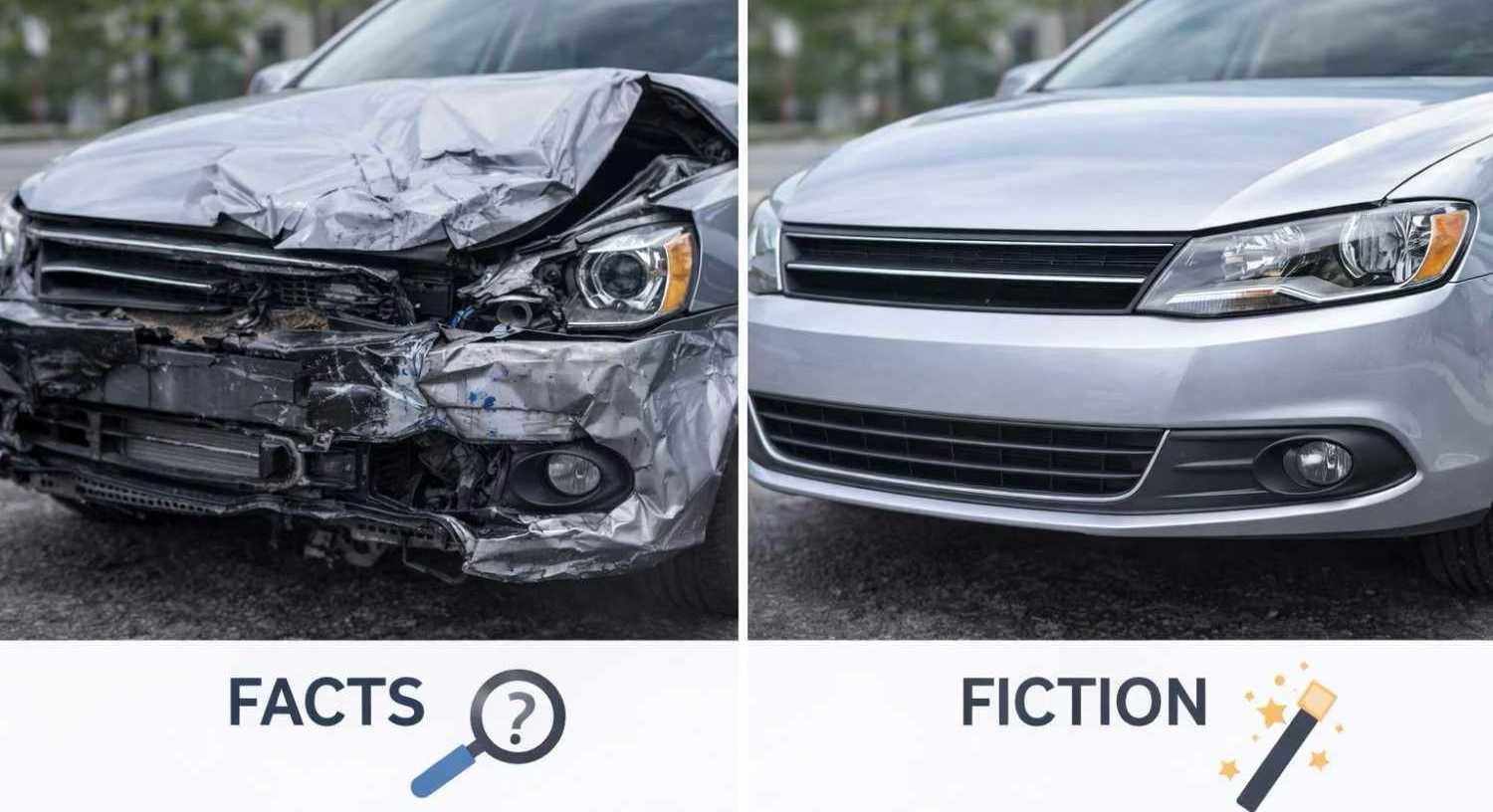
A driver is involved in a moderate front-end collision. Visible damage includes front bumper damage, headlight damage, and fender damage. However, the vehicle also contains advanced driver-assistance systems that require recalibration.
A certified repair facility identifies all affected systems, performs required calibrations, and verifies proper functionality before returning the vehicle to the customer. Without proper calibration, critical safety systems may not operate as intended.
Protecting Vehicle Value
Quality repairs can help preserve resale value, trade-in value, and buyer confidence. Vehicles repaired according to recognized standards often maintain stronger market appeal.
Insurance Considerations
Insurance companies frequently work with repair facilities during the claims process. While drivers often have the right to choose their repair facility, selecting a certified shop may provide added confidence regarding repair quality and documentation. Always review your policy and discuss options with your repair professional.
Common Misconceptions
Myth: All Collision Shops Are the Same
Reality: Training, equipment, certifications, and repair capabilities vary significantly.
Myth: Certification Only Matters for Luxury Vehicles
Reality: Modern vehicles of all types contain advanced technologies that benefit from certified repairs.
Myth: Faster Repairs Are Always Better
Reality: Proper repairs require careful inspections, procedures, and quality control.
How to Identify a Certified Repair Facility
Ask questions such as:
- What certifications does the shop hold?
- Do technicians receive ongoing training?
- What repair standards are followed?
- Are OEM repair procedures used?
- Is calibration equipment available?
A reputable facility should be transparent about qualifications and capabilities.
Internal Linking Opportunities
- Collision Repair Services
- Auto Body Repair
- Insurance Claim Assistance
- Paintless Dent Repair
- Contact Us
External Resources
- National Highway Traffic Safety Administration
- Automotive Service Association
- Insurance Information Institute
Frequently Asked Questions
What does collision repair certification mean?
Certification indicates that a repair facility meets specific standards for training, equipment, procedures, and quality control.
Are certified collision repairs safer?
Certification helps support proper repair procedures that can contribute to vehicle safety.
Do certified shops use OEM parts?
Many certified facilities prioritize OEM or manufacturer-approved parts when appropriate.
Is certification important for newer vehicles?
Yes. Modern vehicles often contain advanced safety systems that require specialized knowledge and equipment.
Can certified repairs help maintain vehicle value?
High-quality repairs and proper documentation can support resale value and buyer confidence.
Final Thoughts
Choosing a certified collision repair shop is one of the most important decisions drivers can make after an accident. Certification helps ensure technicians have the training, tools, and expertise necessary to repair today’s complex vehicles safely and accurately.
When it comes to protecting your vehicle, your investment, and your safety, certified repairs offer valuable peace of mind.
Call to Action
Need collision repairs after an accident? Contact 411 Collision today. Our experienced team is committed to quality workmanship, advanced repair techniques, and helping restore your vehicle to pre-accident condition.
