

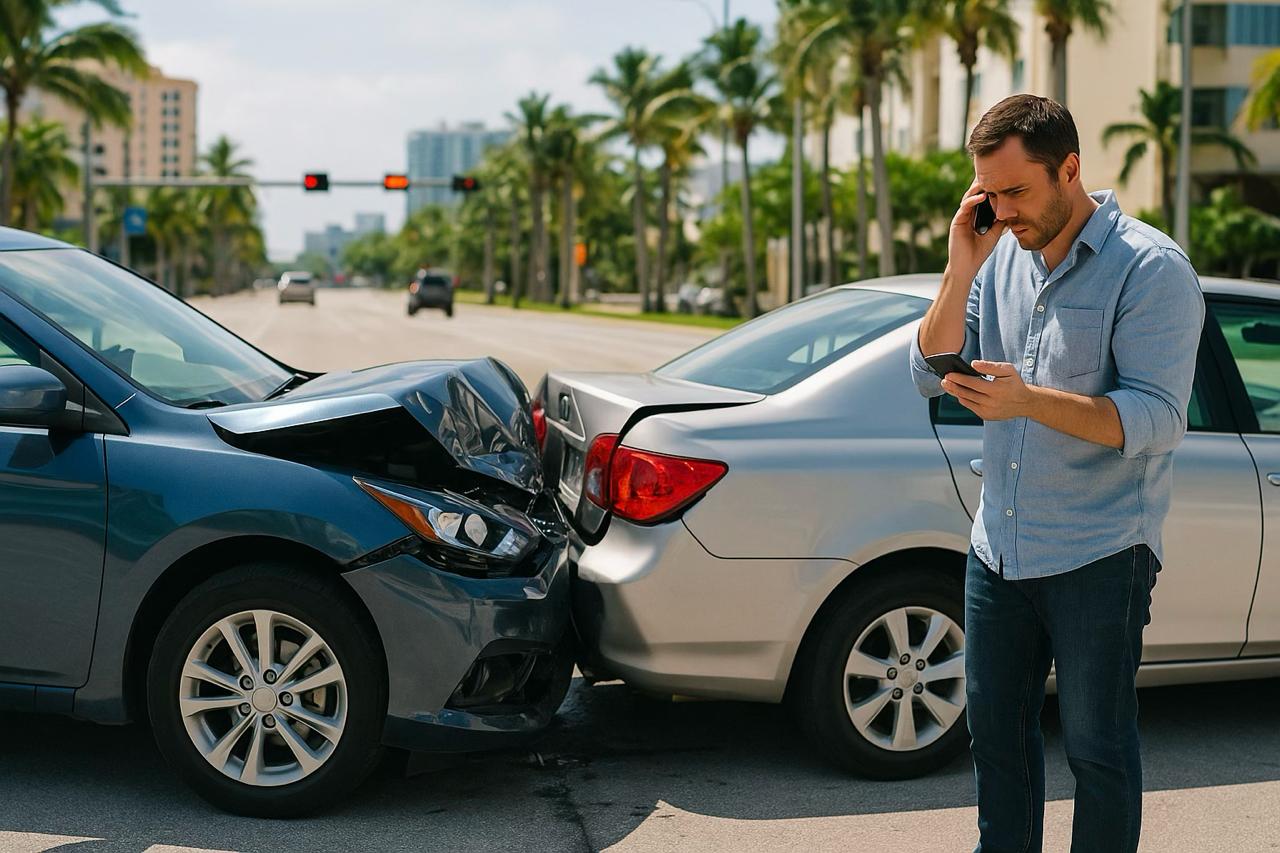
After a car accident, many drivers face an important question: Is it safe to continue driving the vehicle? While some accidents result in obvious damage that clearly requires towing, others appear minor and leave drivers wondering whether they can safely remain on the road.
The truth is that visible damage only tells part of the story. Even seemingly minor collisions can create hidden issues affecting vehicle safety, handling, braking, steering, and structural integrity.
Understanding the risks associated with driving a damaged vehicle can help protect your safety, prevent additional repairs, and ensure your vehicle receives proper attention after an accident.
Featured Snippet Answer
You may be able to drive a vehicle after a minor accident if there are no safety concerns, fluid leaks, steering problems, warning lights, or structural damage. However, even minor collisions can cause hidden damage, making a professional inspection highly recommended before continued operation.
Why Accident Damage Should Never Be Ignored
Modern vehicles are highly engineered machines with interconnected systems.
A collision can affect:
- Structural components
- Suspension systems
- Steering systems
- Braking systems
- Airbag sensors
- Cameras and safety systems
Some damage may not be immediately visible. This is why professional inspections remain important even after low-speed accidents.
Situations Where Driving May Be Unsafe
Certain types of damage require immediate attention.
Fluid Leaks
If you notice leaking:
- Engine oil
- Coolant
- Brake fluid
- Transmission fluid
The vehicle should be inspected before continued driving. Fluid loss can create serious mechanical and safety risks.
Steering Problems
If the vehicle pulls to one side, feels unstable, vibrates excessively, or responds unpredictably, hidden suspension or alignment damage may be present.
Brake System Concerns
Brake issues should never be ignored. Warning signs include:
- Soft brake pedal
- Increased stopping distance
- Grinding noises
- Brake warning lights
These symptoms require immediate professional evaluation.
Airbag Warning Lights
Airbag systems may be affected even if airbags did not deploy. Dashboard warnings should be inspected promptly.
Signs You Should Not Drive the Vehicle
Stop driving and seek professional assistance if you notice:
- Severe body damage
- Exposed mechanical components
- Tire damage
- Steering issues
- Brake problems
- Significant fluid leaks
- Airbag system warnings
- Smoke or unusual odors
Continuing to drive may worsen damage or create additional safety hazards.
Common Hidden Damage After an Accident
Many accidents cause hidden issues that are not visible from the exterior.
Frame Damage
Structural damage can affect vehicle stability, crash protection, and alignment.
Suspension Damage
Damaged suspension components can compromise handling, tire wear, and ride quality.
Sensor Damage
Modern vehicles often include advanced technologies such as:
- Parking sensors
- Blind spot monitoring
- Collision avoidance systems
- Lane departure warning systems
These technologies may require recalibration after a collision.
Alignment Problems
Even minor impacts can affect wheel alignment. Signs include:
- Uneven tire wear
- Pulling while driving
- Steering wheel misalignment
When Driving May Be Acceptable
In certain situations, temporary driving may be possible. Examples include:
- Minor cosmetic damage
- Light bumper scuffs
- Small dents
- Superficial scratches
However, appearance alone does not guarantee safety. Professional inspections remain highly recommended.
Comparison Table
| Condition | Safe to Drive? |
|---|---|
| Minor Cosmetic Damage | Possibly |
| Small Paint Scratches | Usually |
| Steering Problems | No |
| Brake Issues | No |
| Fluid Leaks | No |
| Airbag Warning Lights | No |
| Structural Damage | No |
| Severe Tire Damage | No |
Why Professional Inspections Matter
Professional inspections can identify hidden structural damage, suspension concerns, sensor issues, alignment problems, and safety system malfunctions. Many problems cannot be detected through visual inspection alone.
Real-World Example
A driver experiences a low-speed rear-end collision. The vehicle appears to have only a damaged bumper. During a professional inspection, technicians discover alignment issues, sensor damage, and hidden structural concerns. Although the vehicle seemed safe initially, continued driving could have led to additional problems and repair expenses.
Insurance Considerations
Prompt inspections help support insurance claims. Benefits include:
- Damage documentation
- Repair estimates
- Hidden damage identification
- Accurate claim processing
Waiting too long can sometimes complicate the claims process.
Common Mistakes Drivers Make
Avoid these common errors:
Assuming Cosmetic Damage Is the Only Damage
Many significant problems remain hidden after an accident.
Delaying Inspections
Small issues can worsen over time.
Ignoring Dashboard Warnings
Warning lights often indicate important safety concerns.
Continuing to Drive With Fluid Leaks
Fluid loss can quickly create serious mechanical failures.
Protecting Vehicle Value
Proper post-accident inspections help preserve vehicle safety, mechanical condition, resale value, and repair quality. Early identification often prevents more extensive repairs later.
Choosing a Collision Repair Facility
Look for a repair center that offers:
- Experienced technicians
- Advanced diagnostic equipment
- Structural repair expertise
- Insurance assistance
- Quality control procedures
A qualified collision repair facility can evaluate damage thoroughly and recommend appropriate repairs.
Internal Linking Opportunities
- Collision Repair Services
- Auto Body Repair
- Insurance Claim Assistance
- Paintless Dent Repair
- Contact Us
External Resources
- National Highway Traffic Safety Administration
- Florida Highway Safety and Motor Vehicles
- Insurance Information Institute
Frequently Asked Questions
Can I drive my car after a minor accident?
Possibly, but a professional inspection is recommended to identify hidden damage.
What if there is no visible damage?
Hidden structural, suspension, or sensor damage may still exist.
Is an airbag warning light serious?
Yes. Airbag system warnings should be inspected immediately.
Can alignment problems develop after a small accident?
Yes. Even relatively minor collisions can affect wheel alignment.
Should I get an inspection even if the car feels normal?
Yes. Many accident-related issues are not immediately noticeable.
Final Thoughts
Driving a vehicle after an accident may be possible in some situations, but safety should always come first. Hidden damage is common, and continuing to drive without a proper inspection can create additional risks and repair costs. A professional evaluation provides peace of mind and helps ensure your vehicle remains safe and reliable.
Call to Action
Have you recently been involved in an accident? Contact 411 Collision today for a professional vehicle inspection. Our experienced technicians can identify hidden damage, explain repair options, and help keep you safely on the road.
