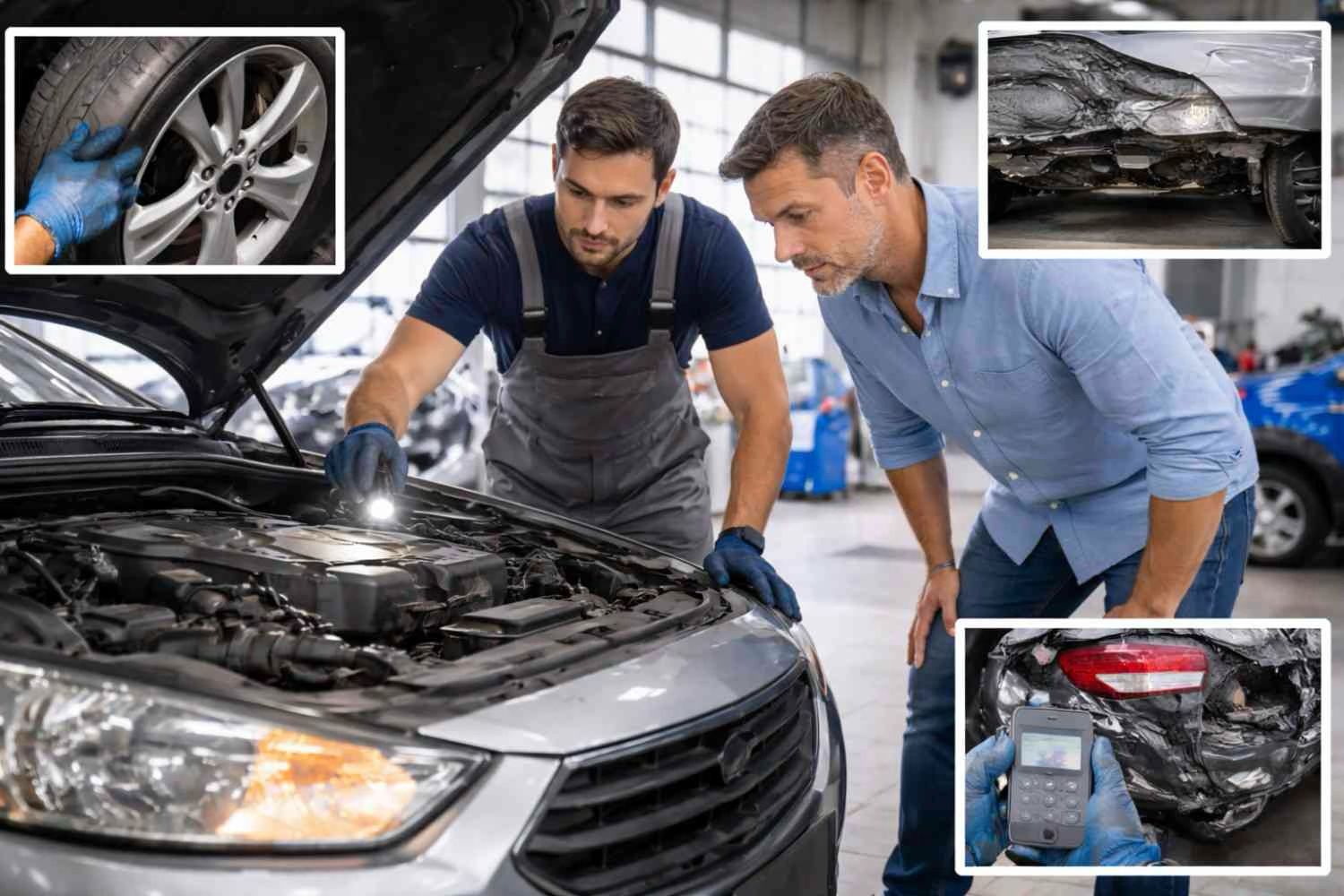
After a car accident, many drivers focus on the visible damage. A dented bumper, scratched paint, broken headlight, or damaged fender may seem like the primary concerns. However, some of the most serious vehicle problems are often hidden beneath the surface.
Modern vehicles contain complex structural components, safety systems, sensors, and electronics that can sustain damage even during relatively minor collisions. If hidden damage goes undetected, it can affect vehicle safety, performance, handling, and resale value.
Understanding the warning signs of hidden accident damage can help drivers identify problems early and avoid more expensive repairs later.
Featured Snippet Answer
Hidden accident damage may include frame issues, suspension damage, alignment problems, sensor malfunctions, fluid leaks, and structural concerns that are not immediately visible after a collision. A professional inspection is often the best way to identify these problems before they worsen.
Why Hidden Damage Matters
Many vehicle owners assume that if a car looks fine after an accident, it is safe to drive.
Unfortunately, appearances can be deceiving.
Hidden damage can impact:
- Vehicle safety
- Structural integrity
- Airbag performance
- Driving comfort
- Tire wear
- Fuel efficiency
- Resale value
Professional inspections help uncover damage that cannot be seen from the exterior.
Sign #1: The Vehicle Pulls to One Side
After an accident, your vehicle should continue driving straight when the steering wheel is centered.
If the vehicle:
- Drifts left
- Drifts right
- Requires constant steering correction
There may be hidden alignment or suspension issues.
Potential causes include:
- Bent suspension components
- Frame damage
- Wheel alignment problems
Ignoring these symptoms can lead to uneven tire wear and handling concerns.
Sign #2: Uneven Tire Wear
Tires can reveal hidden accident damage.
Watch for:
- Excessive wear on one side
- Feathered tread patterns
- Premature tire replacement needs
These symptoms often indicate alignment or suspension problems caused by collision damage.
Sign #3: Unusual Noises While Driving
New noises following an accident should never be ignored.
Listen for:
- Rattling
- Clunking
- Grinding
- Squeaking
- Vibration-related sounds
These noises may indicate damaged components that require professional attention.
Sign #4: Steering Feels Different
Changes in steering performance often signal underlying issues.
Examples include:
- Loose steering
- Excessive vibration
- Reduced responsiveness
- Difficulty maintaining direction
These symptoms may point to hidden structural or suspension damage.
Sign #5: Doors, Hood, or Trunk No Longer Align Properly
Body panels should open and close smoothly.
Signs of hidden structural damage include:
- Uneven panel gaps
- Sticking doors
- Misaligned hoods
- Trunks that do not latch properly
Even minor shifts in vehicle structure can affect alignment.
Sign #6: Warning Lights Appear on the Dashboard
Modern vehicles rely heavily on electronic systems.
Following a collision, warning lights may indicate problems involving:
- Airbags
- Collision avoidance systems
- Cameras
- Sensors
- Stability control systems
Electronic damage is often hidden from view and requires diagnostic testing.
Sign #7: Fluid Leaks Develop
Fluid leaks are a common sign of hidden accident damage.
Watch for:
- Oil leaks
- Coolant leaks
- Transmission fluid leaks
- Brake fluid leaks
Even small leaks can become serious problems if left unaddressed.
Common Types of Hidden Accident Damage
Frame Damage
The vehicle frame provides structural support.
Damage may affect:
- Crash protection
- Alignment
- Vehicle handling
Suspension Damage
Suspension systems absorb road impacts and maintain stability.
Hidden suspension damage can compromise ride quality and safety.
Sensor Damage
Modern vehicles use advanced driver assistance systems (ADAS).
Even low-speed collisions can affect:
- Parking sensors
- Blind spot monitoring
- Collision warning systems
- Backup cameras
Airbag System Damage
Airbag sensors and components may sustain damage without obvious visual indicators.
Professional inspections help ensure proper operation.
Comparison Table
| Visible Damage | Potential Hidden Damage |
|---|---|
| Bumper Damage | Frame Issues |
| Fender Damage | Suspension Problems |
| Broken Headlight | Sensor Damage |
| Scratches | Structural Concerns |
| Minor Dent | Alignment Issues |
Real-World Example
A driver experiences a seemingly minor parking lot collision. The visible damage appears limited to the front bumper.
During a professional inspection, technicians discover:
- Hidden sensor damage
- Misalignment
- Bent suspension components
Without the inspection, these issues could have worsened over time and created safety concerns.
Why Professional Inspections Are Essential
Many forms of hidden damage require specialized equipment to identify.
Professional inspections may include:
- Structural measurements
- Diagnostic scanning
- Alignment analysis
- Suspension evaluation
- Safety system testing
These procedures help ensure the vehicle is fully restored.
How Hidden Damage Affects Vehicle Value
Even if a vehicle appears repaired, unresolved damage can reduce:
- Resale value
- Trade-in value
- Buyer confidence
Proper repairs help preserve vehicle condition and long-term value.
Choosing a Collision Repair Facility
When evaluating repair shops, look for:
- Experienced technicians
- Modern diagnostic equipment
- Structural repair expertise
- Insurance claim assistance
- Quality control procedures
A qualified collision center can identify and correct hidden damage before it creates larger problems.
Internal Linking Opportunities
- Collision Repair Services
- Auto Body Repair
- Insurance Claim Assistance
- Paintless Dent Repair
- Contact Us
External Resources
- National Highway Traffic Safety Administration
- Insurance Information Institute
- Florida Highway Safety and Motor Vehicles
Frequently Asked Questions
Can hidden damage occur after a minor accident?
Yes. Even low-speed collisions can affect sensors, alignment, suspension systems, and structural components.
How do I know if my vehicle has frame damage?
Signs may include alignment problems, unusual handling, uneven tire wear, and body panel misalignment.
Are warning lights related to accident damage?
In many cases, dashboard warning lights can indicate collision-related sensor or safety system issues.
Can hidden damage affect resale value?
Yes. Unresolved accident damage can reduce both resale value and buyer confidence.
Should I get an inspection even if the damage looks minor?
Absolutely. Professional inspections often uncover issues that are not visible externally.
Final Thoughts
Hidden accident damage is more common than many drivers realize. While visible dents and scratches attract attention, structural issues, alignment problems, sensor malfunctions, and suspension damage often remain undetected without professional evaluation.
A comprehensive inspection helps protect your safety, preserve your vehicle’s value, and prevent future repair expenses.
Call to Action
If your vehicle has been involved in an accident, schedule a professional inspection with 411 Collision today. Our experienced team can identify hidden damage, explain repair options, and help restore your vehicle to pre-accident condition.
