
How Collision Repair Professionals Decide Whether a Damaged Part Can Be Restored or Should Be Replaced
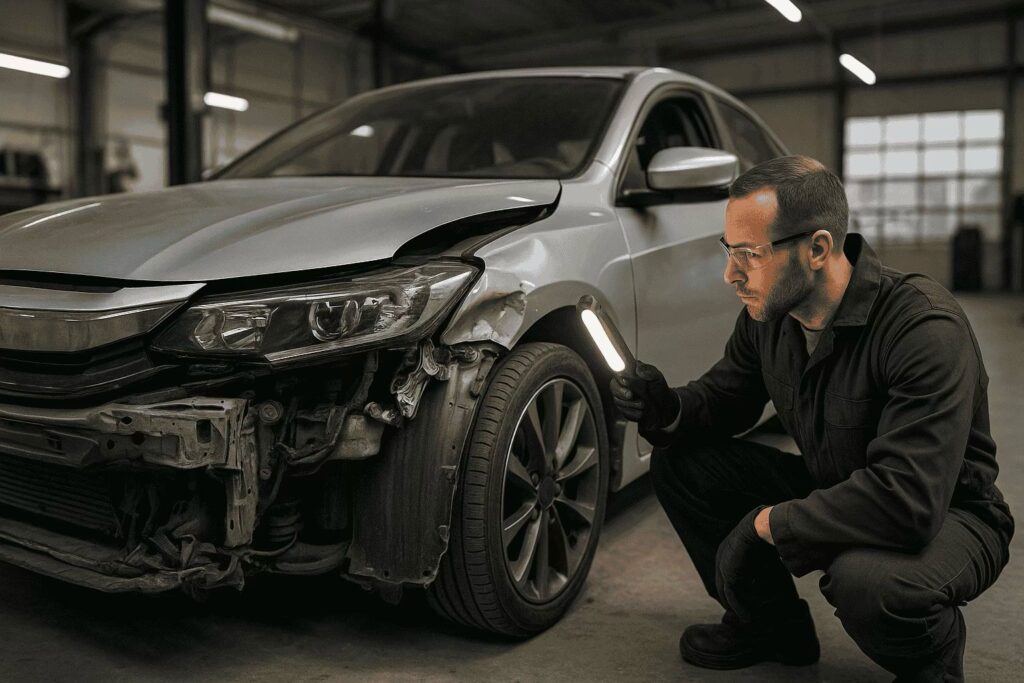
After a collision, one of the most important decisions in the repair process is whether a damaged component should be repaired or replaced. The answer is not always obvious from the outside. A dented panel may be an excellent repair candidate, while another part with relatively little visible damage may need replacement because of its […]
Cómo el calor, el sol, la lluvia, la humedad, las inundaciones, el viento y el granizo pueden afectar su automóvil
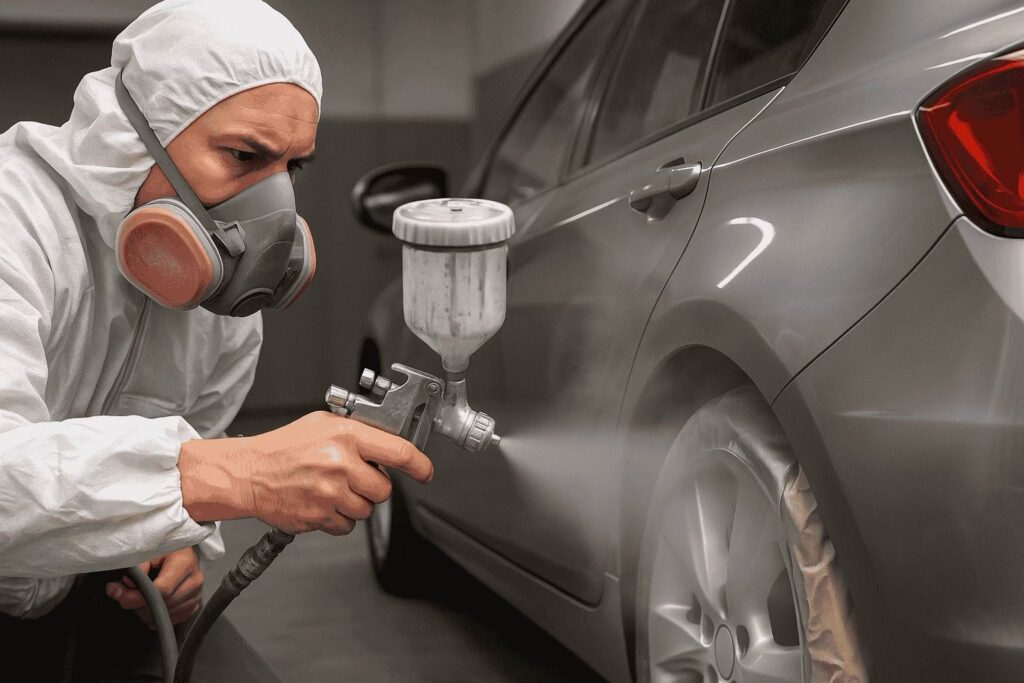
El clima afecta mucho más que las condiciones de conducción. El calor, la radiación solar, la lluvia, la humedad, las inundaciones, el viento, el granizo y los cambios de temperatura pueden influir en pintura, carrocería, vidrio, neumáticos, batería, sellos, electrónica y otros sistemas del vehículo. Después de una colisión, la exposición al clima puede ser […]
Cómo se determina la mejor opción para carrocería, bumper, componentes estructurales, luces, ruedas y sensores
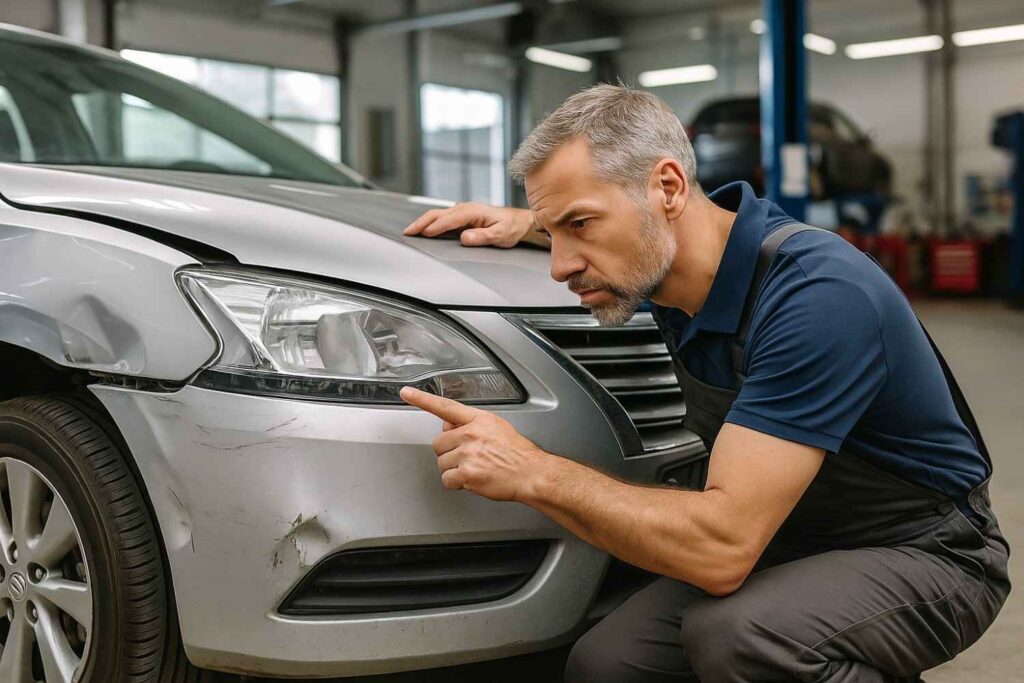
Después de un accidente, una de las decisiones más importantes en el proceso de reparación es determinar si una pieza dañada puede restaurarse correctamente o si debe reemplazarse. La respuesta no depende solamente de cómo se ve el daño. El material, la ubicación del impacto, la función de la pieza, los procedimientos del fabricante, el […]
Por qué cámaras, radares y sensores ADAS pueden necesitar ajustes precisos después de una colisión o reparación
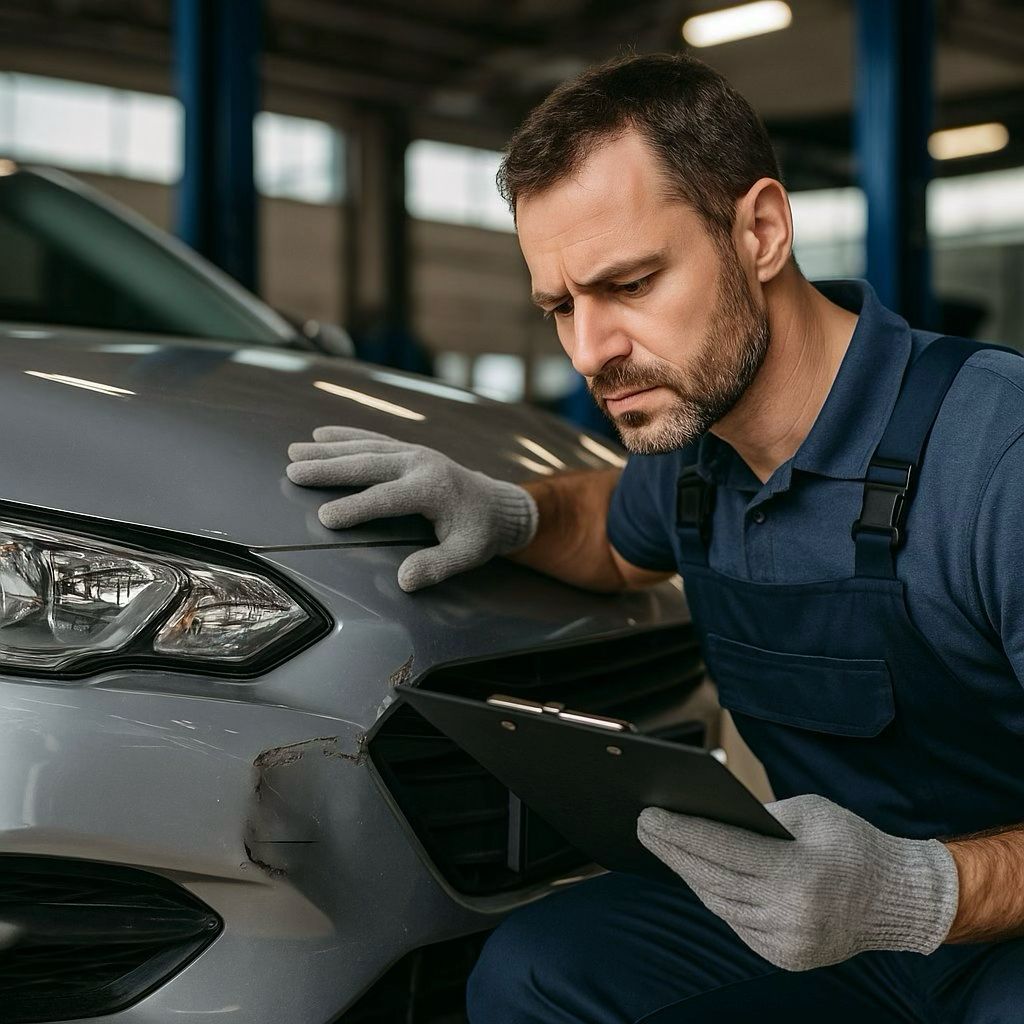
Los vehículos modernos dependen cada vez más de cámaras, radares, sensores ultrasónicos y módulos electrónicos para asistir al conductor. Estos sistemas pueden participar en funciones como frenado automático de emergencia, advertencia de colisión frontal, control de crucero adaptativo, mantenimiento de carril, monitoreo de punto ciego y asistencia de estacionamiento. Después de una colisión o de […]
Cómo reconocer problemas que necesitan atención inmediata y cuándo es más seguro dejar de conducir
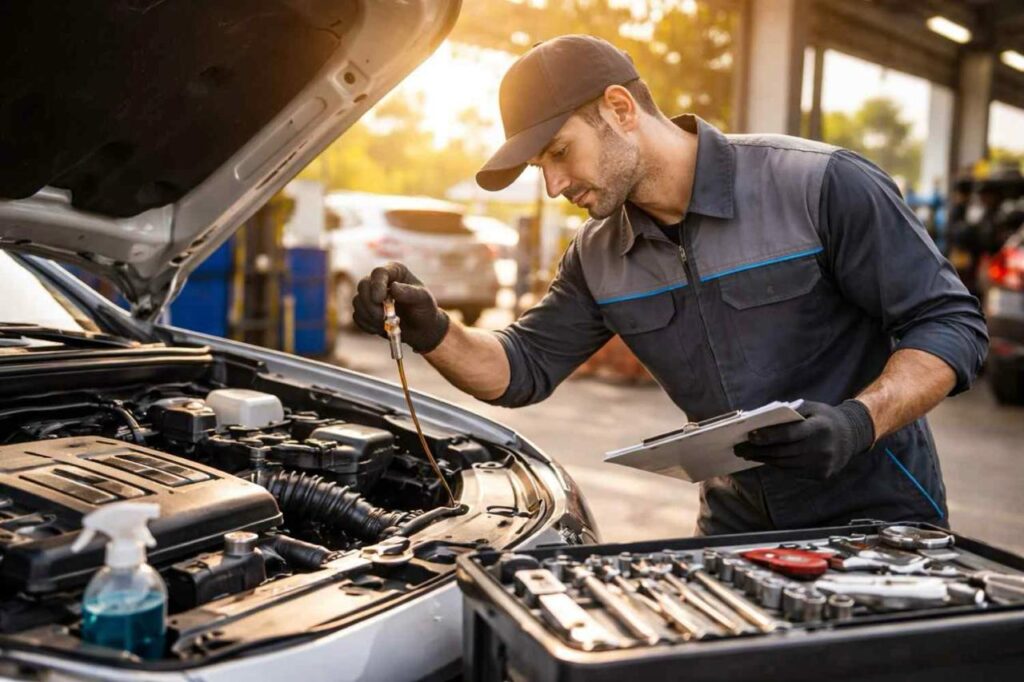
Un vehículo suele dar señales antes de que un problema se convierta en una avería seria. Luces de advertencia, ruidos nuevos, vibraciones, olores, fugas o cambios en la forma de frenar y dirigir pueden indicar que algo necesita atención profesional. Algunos problemas permiten programar una inspección. Otros requieren atención inmediata, y ciertas señales significan que […]
Why Minor Collisions Happen, How Drivers Can Reduce the Risk, and What to Check After an Accident
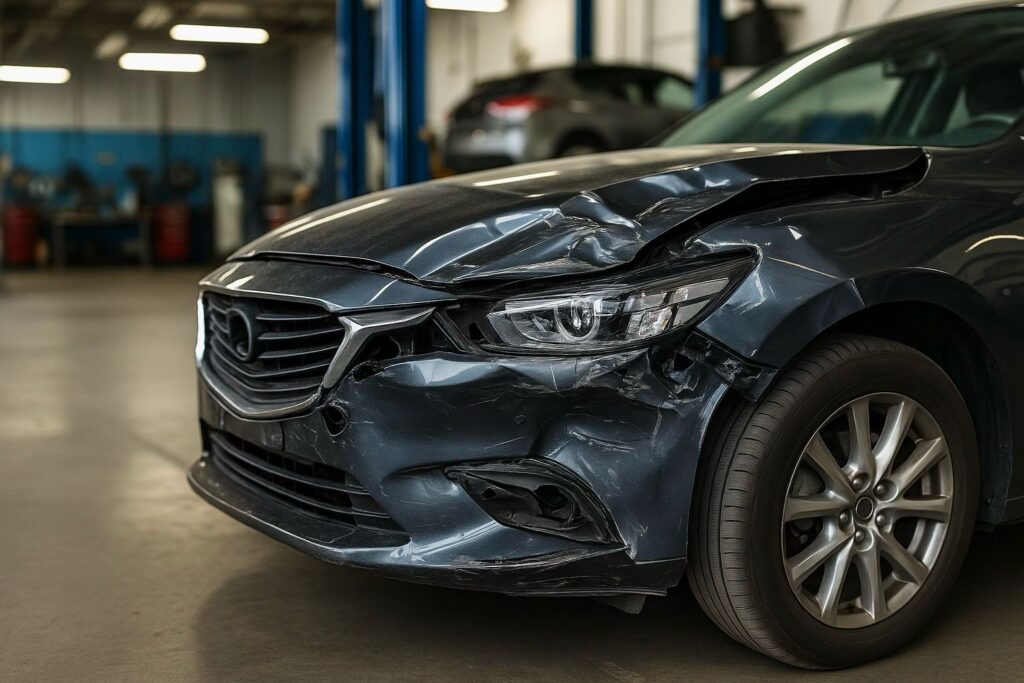
Fender benders are among the most common types of vehicle accidents. They often happen at relatively low speeds in parking lots, intersections, stop-and-go traffic, driveways, and crowded streets. Although the visible damage may look minor, even a small collision can affect bumpers, paint, lights, sensors, alignment, suspension components, or safety systems. Understanding why these crashes […]
Understanding ADAS Cameras, Radar, Sensors, and the Importance of Following Vehicle-Specific Procedures After Collision Repair
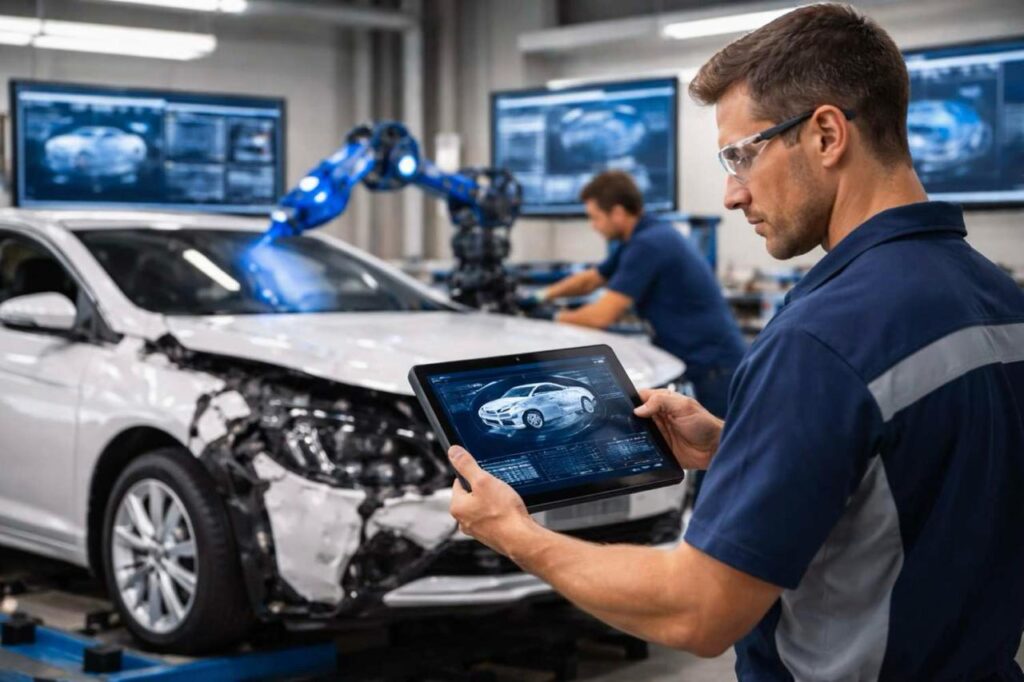
Modern vehicles do much more than respond to steering, braking, and acceleration. Many use cameras, radar, ultrasonic sensors, and electronic control modules to support driver-assistance features such as automatic emergency braking, lane departure warning, adaptive cruise control, blind-spot monitoring, parking assistance, and other systems. After a collision or certain repairs, some of these components may […]
How Heat, Sun, Rain, Flooding, Humidity, Wind, Hail, and Coastal Conditions Can Affect Your Car Before and After a Collision
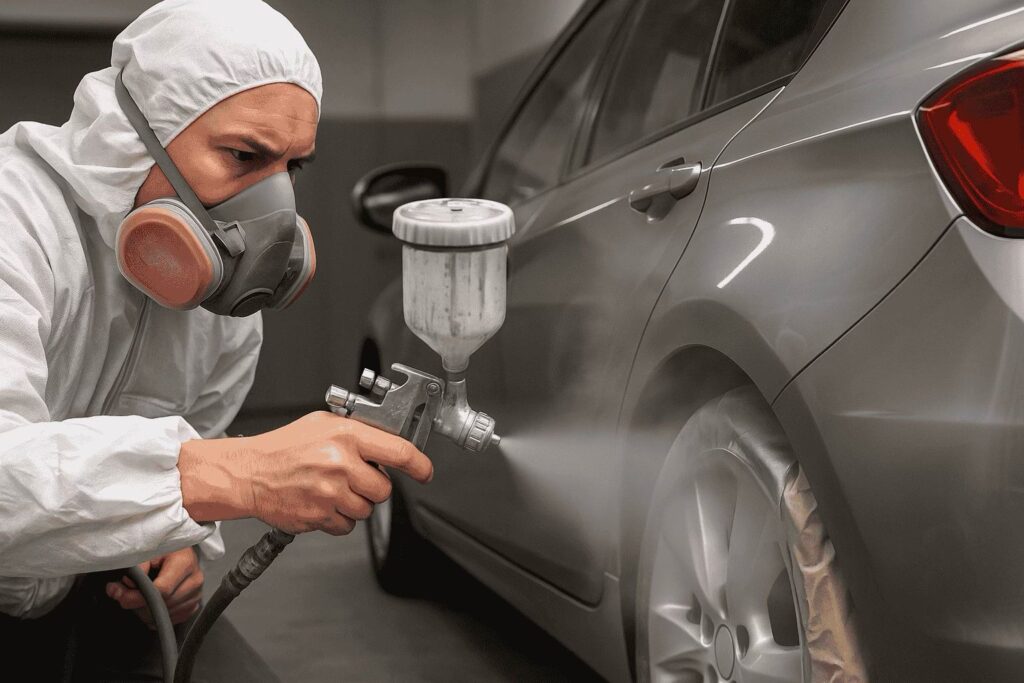
Weather affects far more than driving conditions. Heat, ultraviolet exposure, rain, humidity, flooding, wind, hail, salt, and sudden temperature changes can all influence a vehicle’s paint, body panels, glass, tires, electronics, seals, and mechanical systems. Weather can also make existing collision damage worse. A small paint chip can expose metal to moisture, a loose bumper […]
Warning Signs Drivers Should Never Ignore, and When It Is Safer to Stop Driving
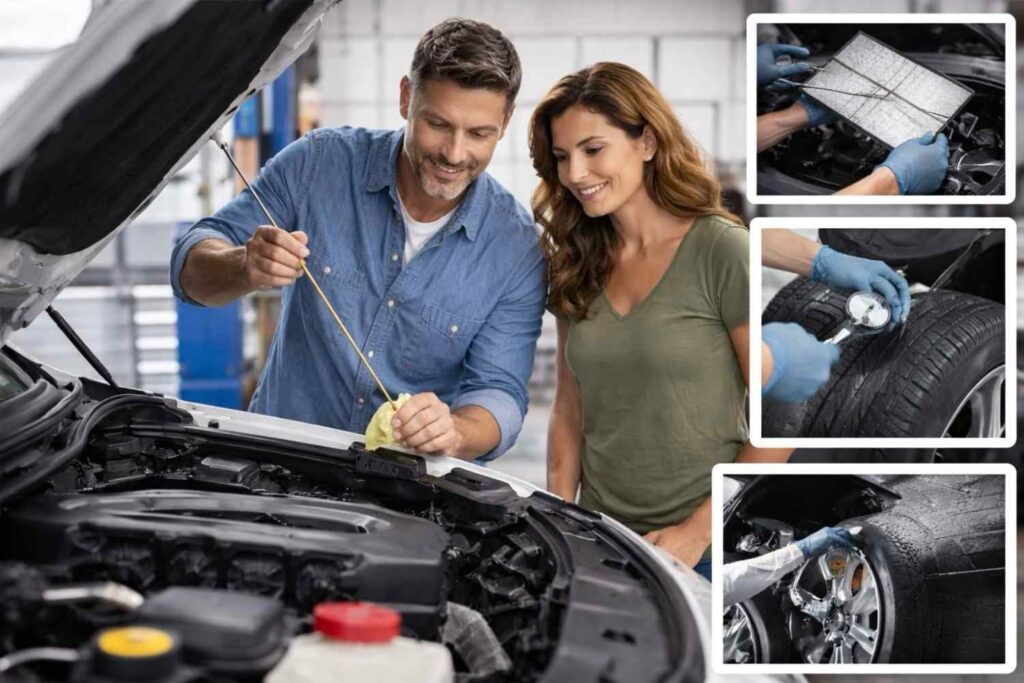
Cars often give warning signs before a mechanical problem becomes a breakdown or a safety emergency. A new noise, warning light, vibration, smell, leak, or change in the way the vehicle brakes or steers can be the first indication that something needs professional attention. Some problems can wait for a scheduled appointment. Others should be […]
Por qué ocurren los impactos de baja velocidad, cómo reducir el riesgo y qué revisar después de un accidente
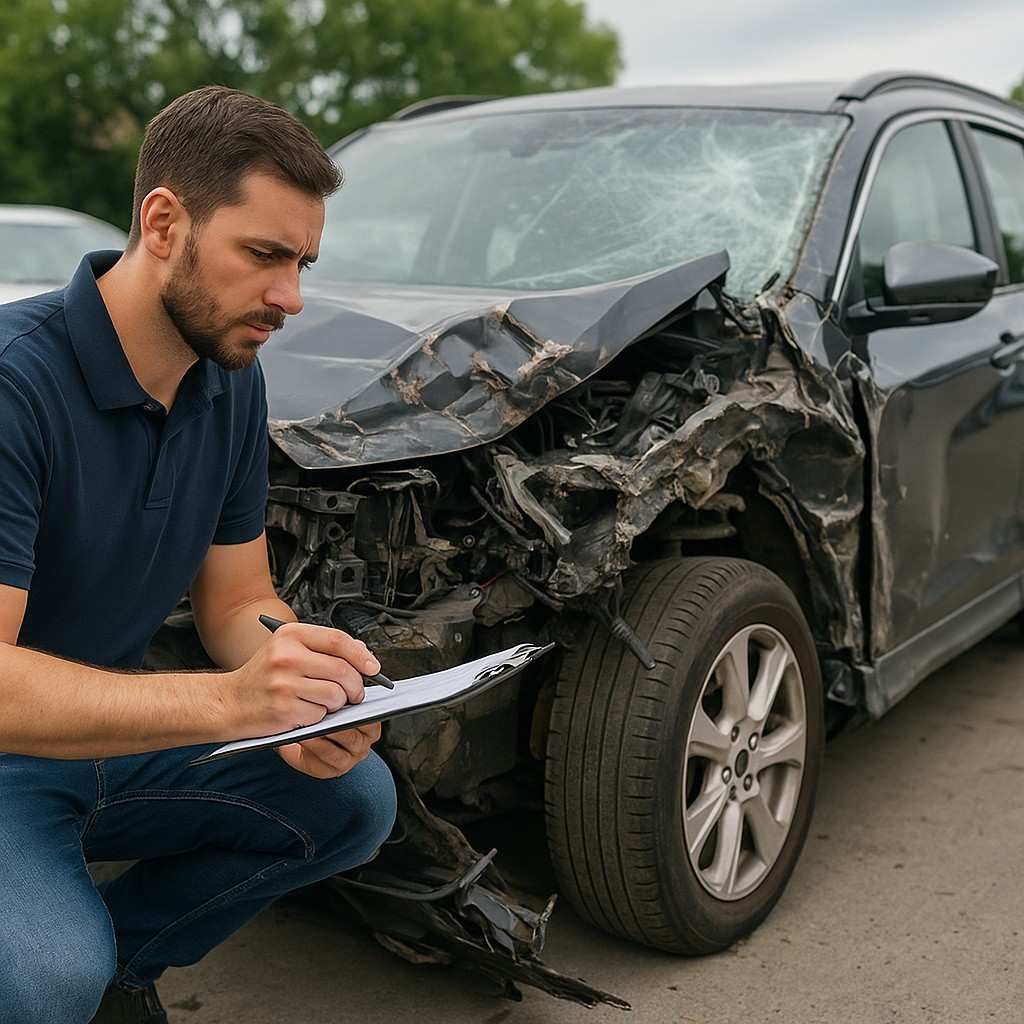
Los choques menores son frecuentes en estacionamientos, calles congestionadas, intersecciones, entradas residenciales y tráfico de baja velocidad. Aunque muchos parecen simples golpes de bumper o pequeños rayones, pueden producir daños que no siempre son visibles desde el exterior. Un impacto de baja velocidad puede afectar pintura, paneles, soportes, luces, ruedas, alineación, sensores y otros componentes. […]
