

Weather affects far more than driving conditions. Heat, ultraviolet exposure, rain, humidity, flooding, wind, hail, salt, and sudden temperature changes can all influence a vehicle’s paint, body panels, glass, tires, electronics, seals, and mechanical systems.
Weather can also make existing collision damage worse. A small paint chip can expose metal to moisture, a loose bumper can become less secure in strong wind or heavy rain, and a damaged seal can allow water into areas that should remain dry.
Understanding these risks can help vehicle owners recognize problems earlier and know when professional inspection is appropriate.
Weather and Collision Damage Often Work Together
A vehicle that has never been damaged still experiences environmental wear. After a collision, however, protective coatings, panel alignment, seals, mounting points, and electronic components may already be compromised.
Exposure to weather can then accelerate deterioration or reveal hidden problems.
- Rain can enter through damaged seals or body gaps.
- Humidity can promote corrosion where bare metal is exposed.
- Heat can stress already damaged plastic components.
- Sunlight can accelerate paint and trim deterioration.
- Floodwater can reach electrical and mechanical systems.
- Wind can move loose panels or carry debris into the vehicle.
- Hail can create widespread dents and glass damage.
1. Extreme Heat Can Affect Vehicle Components
High temperatures can place additional stress on batteries, cooling systems, tires, rubber components, plastics, adhesives, and interior materials.
A vehicle with existing collision damage may be more vulnerable if a component is already cracked, loose, leaking, or misaligned.
2. Heat Can Worsen Plastic Damage
Bumper covers, grilles, trim, clips, and other exterior parts commonly use plastics.
Heat can make some plastics more flexible, while repeated heating and cooling can contribute to distortion or reveal weakened mounting points.
A cracked bumper or broken tab should not be assumed to be stable simply because it remains attached while parked.
3. Sunlight Can Fade Paint
Ultraviolet exposure gradually affects automotive paint and clear coat.
Modern finishes are designed to resist environmental exposure, but years of strong sunlight can contribute to fading, oxidation, or loss of gloss.
Horizontal surfaces such as the hood, roof, and trunk lid often receive the most direct exposure.
4. UV Exposure Can Affect Exterior Trim
Black plastic trim, rubber moldings, weatherstripping, and exterior seals can dry, fade, or become brittle over time.
Damage from a collision can accelerate problems if trim has been cracked, pulled away, or left partially detached.
5. Heat Can Increase Tire Pressure
Tire pressure changes as tire temperature changes. Driving also generates heat.
Drivers should check tire pressure when tires are cold and follow the vehicle manufacturer’s recommended pressure, usually listed on the driver’s door jamb or in the owner’s manual.
Do not intentionally lower hot tire pressure simply because it has risen during normal driving.
6. Heat Can Expose Cooling System Problems
Hot weather increases the demand on the engine cooling system.
A radiator, condenser, fan, hose, or cooling component damaged in a front-end collision may not show obvious symptoms during mild conditions but can become more noticeable when temperatures rise.
Warning signs include
- Temperature gauge rising above normal.
- Coolant warning light.
- Steam from under the hood.
- Coolant smell.
- Visible coolant leak.
- Air conditioning performance changing after front-end damage.
An overheating vehicle should be stopped safely and inspected rather than driven until severe engine damage occurs.
7. Hot Weather Can Be Hard on Batteries
High temperatures can accelerate chemical activity and internal battery deterioration.
If a collision has damaged battery mounts, cables, terminals, wiring, or charging components, heat can add another layer of stress.
A battery that is loose, cracked, leaking, or physically damaged should be professionally evaluated.
8. Rain Reduces Traction
Rain can reduce tire grip and increase stopping distance, especially when tires are worn or improperly inflated.
Wet roads can also make existing steering, suspension, alignment, or tire problems more noticeable.
A vehicle that pulls or feels unstable after a collision should be inspected before driving in challenging weather.
9. Standing Water Can Cause Loss of Control
Driving through standing water can reduce tire contact with the road and increase the risk of hydroplaning.
The safest approach is to reduce speed appropriately and avoid flooded roadways.
Never assume water depth is safe based only on appearance.
10. Floodwater Can Cause Major Vehicle Damage
Floodwater can affect engines, transmissions, bearings, brakes, wiring, computers, connectors, upholstery, safety systems, and other components.
Saltwater flooding can be especially corrosive.
A flooded vehicle requires professional evaluation because some damage can appear later rather than immediately.
11. Water Can Enter Through Collision-Damaged Areas
A collision can disturb door seals, trunk seals, liftgate alignment, windshield areas, body seams, lamps, and panel gaps.
Heavy rain may reveal the problem through wet carpets, condensation, odors, or visible water inside the vehicle.
Possible signs of water intrusion
- Wet carpet or padding.
- Water in the trunk or spare tire well.
- Fogging inside lamps.
- Musty odor.
- Electrical problems after rain.
- Damp headliner.
- Visible water trails around seals.
12. Water Intrusion Can Damage Electronics
Modern vehicles contain electronic modules, wiring harnesses, connectors, sensors, and communication networks throughout the body.
Moisture reaching electrical components can cause corrosion, intermittent faults, warning lights, or system failures.
Water damage should be addressed at the source rather than only drying the visible surface.
13. Humidity Can Accelerate Corrosion
Moisture in the air can contribute to corrosion, particularly where protective coatings have been damaged.
After a collision, scratches, chipped paint, exposed weld areas, or damaged seam sealer can leave metal more vulnerable.
Proper collision repair includes restoring corrosion protection where required.
14. Coastal Air Can Increase Corrosion Exposure
Vehicles used near coastal environments can encounter salt in the air and on road surfaces.
Salt and moisture can accelerate corrosion when metal is exposed.
This makes proper refinishing, seam sealing, cavity protection, and repair of paint chips especially important.
15. Road Salt Can Affect the Undercarriage
In colder regions, road salt and deicing chemicals can accumulate on underbody components.
Although this is less common in warm climates, vehicles that travel between regions can still experience exposure.
Collision damage that removes coatings or bends protective shields can make affected areas more vulnerable.
16. Rain Can Reveal Poor Panel Alignment
A door, hood, trunk lid, or liftgate that was shifted in a collision may not seal correctly.
During dry weather the problem may seem cosmetic. Heavy rain can reveal leaks, wind noise, or drainage issues.
Proper panel fit is therefore both an appearance and functional concern.
17. Wind Can Affect Loose Body Panels
A partially detached bumper, splash shield, wheel liner, molding, or underbody panel can move significantly at road speed or in strong wind.
A loose component may eventually detach, rub a tire, or damage nearby parts.
Loose exterior parts should be secured or repaired before highway driving.
18. Wind-Blown Debris Can Cause Damage
Strong storms can send branches, signs, gravel, construction materials, and other debris into vehicles.
Damage can range from paint chips and dents to broken glass, crushed panels, and damaged lights.
After a severe storm, inspect the vehicle before driving.
19. Falling Branches Can Cause Structural and Glass Damage
Tree limbs can damage roofs, pillars, hoods, trunks, glass, and structural areas.
A large impact to the roof or pillar area deserves professional evaluation because these areas can be part of the vehicle’s occupant protection structure.
20. Hail Can Damage More Than the Hood
Hail can create dozens or hundreds of dents across a vehicle.
Commonly affected areas include:
- Hood.
- Roof.
- Trunk lid.
- Quarter panels.
- Doors.
- Fenders.
- Roof rails.
- Windshield and other glass.
- Exterior trim.
21. Paintless Dent Repair May Be an Option for Hail
Paintless dent repair, or PDR, can be appropriate for certain dents when the paint remains intact and the panel can be accessed and restored using the technique.
It is not suitable for every dent. Sharp creases, stretched metal, cracked paint, inaccessible damage, or certain panel materials may require conventional repair or replacement.
22. Hail Can Damage Glass
Large or wind-driven hail can chip or crack windshields and other glass.
A damaged windshield can affect visibility and may also be related to ADAS cameras mounted near the rearview mirror.
If windshield replacement is required, some vehicles require camera calibration afterward.
23. Temperature Changes Can Affect Existing Glass Damage
A windshield chip or crack can spread when the glass experiences stress, vibration, or temperature changes.
Avoid directing extremely hot or cold air suddenly onto damaged glass.
Small chips should be evaluated promptly because repair may become more difficult after the crack expands.
24. Cold Weather Can Affect Batteries
Low temperatures reduce battery performance and increase the power needed for starting.
A weak battery, damaged cable, or charging problem may become more noticeable in cold weather.
Collision damage near the battery or electrical system should be inspected regardless of season.
25. Cold Temperatures Affect Tire Pressure
Tire pressure generally decreases as ambient temperature drops.
A tire pressure warning may therefore appear during a cold spell.
Check tires when cold and inflate them to the vehicle manufacturer’s recommended pressure rather than relying on the tire sidewall maximum.
26. Cold Can Make Some Plastics More Brittle
Plastic bumper covers, clips, retainers, and trim can behave differently at low temperatures.
A component that is already cracked or stressed may be more susceptible to further damage during an impact or when manipulated.
27. Snow and Ice Can Hide Road Hazards
Snow and standing water can conceal potholes, curbs, debris, and road edges.
Striking a hidden pothole can damage wheels, tires, suspension, alignment, and steering components.
If the vehicle begins pulling, vibrating, or making new noises after a hard impact, have it inspected.
28. Potholes Can Cause Collision-Type Damage
A pothole impact can bend wheels, damage tires, alter alignment, or damage suspension components.
The exterior body may look untouched even though the vehicle’s handling has changed.
Signs to watch for
- Steering wheel vibration.
- Vehicle pulling to one side.
- New tire pressure loss.
- Bent wheel.
- Bulge in a tire sidewall.
- Clunking or rattling.
- Steering wheel no longer centered.
29. Mud and Debris Can Block Drainage
Vehicles contain drains in doors, sunroof systems, cowl areas, and other locations.
Leaves, mud, and storm debris can block drainage and contribute to water intrusion.
After severe weather, keeping drainage areas clear can help prevent moisture problems.
30. Storm Debris Can Damage ADAS Sensors
Cameras, radar units, ultrasonic sensors, and their mounting areas can be affected by impacts from debris.
A damaged bumper, grille, windshield, mirror, or body panel may also affect the position of an ADAS component.
If the vehicle displays new driver-assistance warnings after storm damage, have the system evaluated.
Weather Can Affect ADAS Operation Even Without Damage
Driver-assistance systems have operating limitations.
Heavy rain, fog, snow, glare, dirt, condensation, or blocked sensors can temporarily reduce camera or radar performance.
Drivers should follow dashboard messages and the owner’s manual and never rely on ADAS as a substitute for attention and vehicle control.
31. Heavy Rain Can Obscure Cameras
Forward cameras need a clear view of the road.
Heavy rain, dirty glass, fogging, or damaged wipers can reduce visibility for both the driver and camera-based systems.
Keep the windshield and camera viewing area clean according to manufacturer guidance.
32. Dirt and Salt Can Cover Radar or Parking Sensors
Mud, road salt, ice, or debris can cover sensor surfaces or the bumper areas through which sensors operate.
Some systems may display an unavailable message until the obstruction is removed.
Clean only according to the owner’s manual to avoid damaging sensor surfaces.
33. Sun Glare Can Affect Visibility
Low-angle sunlight can make traffic signals, lane markings, pedestrians, and other vehicles harder to see.
Glare may also affect some camera-based driver-assistance systems.
A clean windshield and appropriate driving speed are important when visibility is compromised.
34. Weather Can Worsen Paint Chips
A paint chip exposes the underlying layers of the finish and, in some cases, bare metal.
Moisture, salt, and contaminants can then reach the exposed area.
Prompt touch-up or professional refinishing can help protect the panel, depending on the severity of the damage.
35. Scratches Can Become More Than Cosmetic
A shallow clear-coat scratch may remain primarily cosmetic. A deeper scratch that penetrates to metal can create a path for corrosion.
The repair method depends on scratch depth, panel material, and finish.
36. Existing Rust Can Spread
Once corrosion begins, moisture and contaminants can continue the process under paint or coatings.
Simply painting over active rust without proper preparation does not correct the underlying problem.
Collision repair should address corrosion according to appropriate procedures.
37. Weatherstripping Protects the Interior
Door, trunk, liftgate, roof, and glass seals help keep water outside.
A collision can tear, compress, dislodge, or misalign weatherstripping.
Replacing or repositioning damaged seals can be necessary to restore water resistance.
38. Moisture Inside a Headlamp Is a Warning Sign
Some lamp assemblies may show temporary light condensation under certain conditions, but persistent water droplets or pooling can indicate a damaged seal, crack, or housing.
Collision damage to mounting tabs or the housing can allow moisture to enter.
Because modern lamps may contain expensive electronics, water intrusion should be evaluated.
39. Flooded Brakes Need Attention
Driving through deep water can expose brake components to water and debris.
Braking performance may temporarily change, and contamination or corrosion can become a concern after significant flooding.
A vehicle exposed to floodwater should be professionally inspected before normal use.
40. Never Drive Through Floodwater You Cannot Evaluate
Water depth, current, hidden road damage, and contamination are difficult to judge from inside a vehicle.
Even relatively shallow moving water can be hazardous.
Avoid flooded roads and follow local emergency guidance.
Weather Damage After a Collision
If a vehicle is waiting for collision repairs, weather protection becomes important.
Broken glass, open body seams, damaged doors, missing lamps, or exposed interior areas can allow rain and contaminants inside.
Temporary protection should be performed safely and should not interfere with later repair procedures.
Why Exposed Metal Should Not Be Ignored
Collision damage can remove paint and protective coatings from steel surfaces.
Bare metal can begin developing surface corrosion when exposed to moisture.
A repair facility can determine the correct preparation, primer, refinishing, and corrosion protection process.
Why Underbody Damage Matters in Wet Conditions
Underbody shields, splash guards, liners, and covers help protect mechanical and electrical components from water and debris.
A collision or road impact can tear or remove these parts.
Missing protection may expose components to additional weather and road contamination.
How Weather Can Affect a Damaged Tire
A tire with a cut, bulge, puncture, or impact damage is already compromised.
Heat, pressure changes, water, and highway speeds can increase the demands placed on the tire.
Do not continue driving on a tire with visible structural damage.
What to Check After a Severe Storm
- Windshield and other glass.
- Hood, roof, trunk, and body panels.
- Headlights and taillights.
- Tires and wheels.
- Loose bumper or trim pieces.
- Underbody panels.
- Fluid leaks.
- Water inside the cabin or trunk.
- New warning lights.
- ADAS warning messages.
- Unusual noises or vibration.
What to Check After Heavy Rain
- Wet carpet or upholstery.
- Water in the trunk or spare tire area.
- Moisture inside lamps.
- Electrical problems.
- Musty smells.
- Door and window seal condition.
- Drainage around the cowl and sunroof if equipped.
- Any collision-damaged area that may allow water entry.
What to Check During Extreme Heat
- Engine temperature.
- Coolant level when safe and according to the owner’s manual.
- Tire pressure when tires are cold.
- Battery condition.
- Loose or distorted exterior trim.
- Air conditioning performance.
- Signs of fluid leakage.
Protecting Your Vehicle From Weather Damage
Not every vehicle can be kept in a garage, but several habits can reduce environmental wear.
- Park under secure covered parking when available.
- Avoid parking under damaged trees during storms.
- Wash contaminants from the vehicle regularly.
- Repair deep paint chips before corrosion develops.
- Maintain tire pressure and tread.
- Keep weatherstripping clean and intact.
- Replace damaged wiper blades.
- Keep drainage areas free of debris.
- Address water leaks promptly.
- Have collision damage repaired before exposure makes it worse.
Why Proper Collision Repair Includes Weather Protection
Collision repair is not only about making a vehicle look normal again.
A complete repair may also need to restore seam sealer, corrosion protection, weatherstripping, glass bonding, panel fit, underbody coatings, cavity wax, and other protective materials.
These details help the repaired vehicle resist moisture and environmental exposure after it leaves the shop.
Corrosion Protection After Welding
Welding and grinding can remove factory coatings.
Manufacturer procedures may require primers, seam sealers, cavity protection, or other corrosion-resistant materials after repairs.
These steps are especially important in humid, rainy, coastal, or salted-road environments.
Paint Curing and Weather
Refinish products have specific curing and handling requirements.
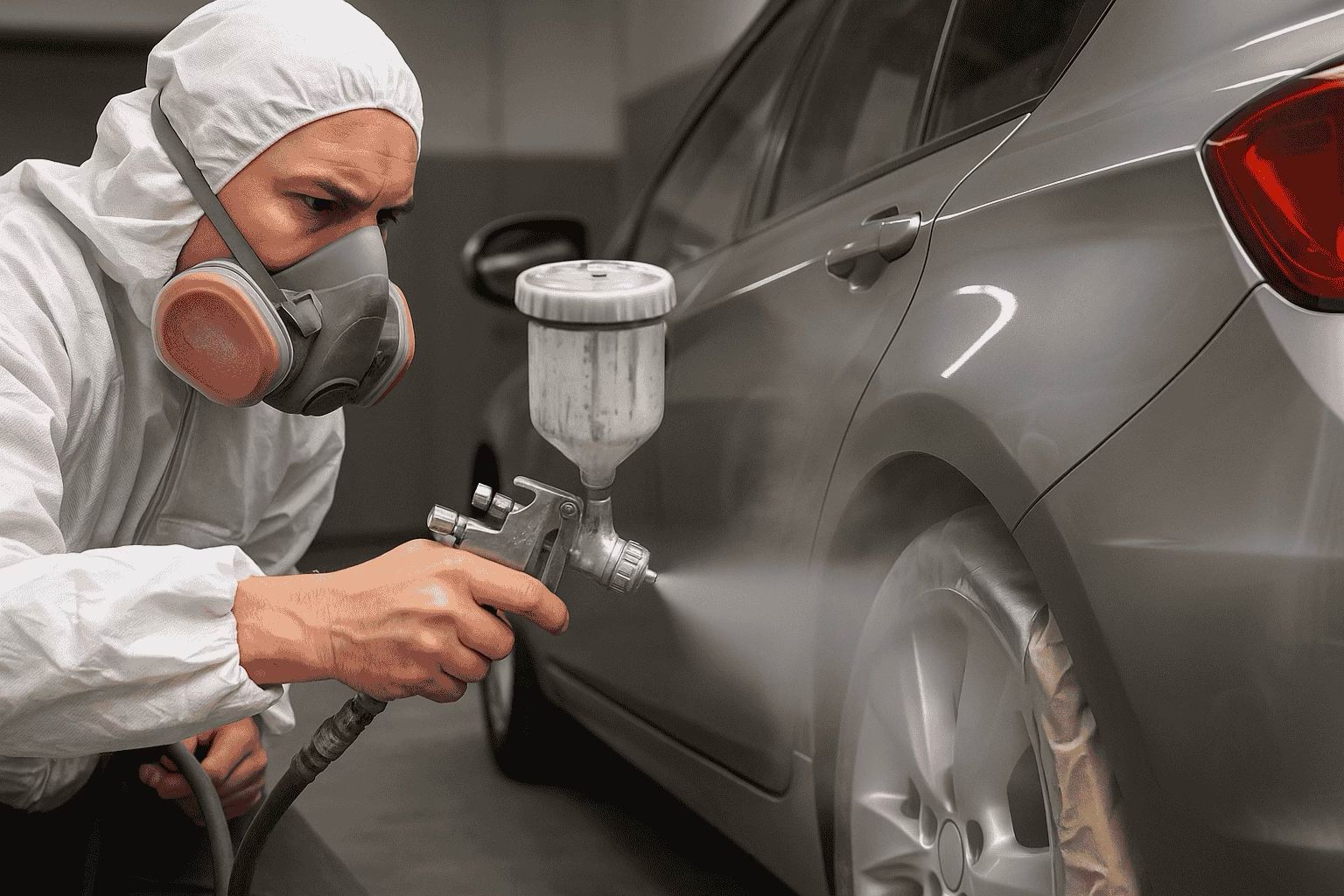
A professional collision facility controls preparation, application, temperature, and drying according to the paint system being used.
After delivery, owners should follow any care instructions provided by the repair facility for newly refinished surfaces.
When Weather Damage Needs Professional Inspection
Seek professional evaluation when:
- Glass is cracked or visibility is affected.
- Water has entered the cabin or trunk.
- The vehicle has been flooded.
- A tire has a bulge, cut, or rapid pressure loss.
- A body panel is loose or rubbing a tire.
- Paint damage exposes metal.
- A storm has caused significant dents.
- New warning lights appear.
- ADAS systems show faults.
- Steering or braking changes after a pothole or storm impact.
- A collision-damaged area begins leaking after rain.
Frequently Asked Questions
Can hot weather make collision damage worse?
It can. Heat can stress plastics, adhesives, tires, batteries, and cooling systems. Existing cracks, loose components, or cooling system damage may become more noticeable under high temperatures.
Can rain cause rust after an accident?
Rain itself does not instantly create severe rust, but moisture can contribute to corrosion when paint and protective coatings have been damaged and metal is exposed.
Can a small paint chip rust?
If a chip penetrates to steel, moisture and contaminants can reach the metal and corrosion may begin. Prompt repair can help protect the area.
Can heavy rain damage vehicle electronics?
Normal rain should not damage properly sealed vehicle electronics. However, flooding, damaged seals, collision-related openings, or water intrusion can expose wiring and modules to moisture.
Should a flooded vehicle be started?
Starting a vehicle that has been significantly flooded can cause additional damage in some circumstances. It is safer to have the vehicle evaluated and follow professional guidance before attempting to start or drive it.
Does hail damage always require conventional body repair?
No. Paintless dent repair may be suitable for some hail dents when paint and panel conditions allow it. Other damage may require conventional repair or panel replacement.
Can weather affect ADAS sensors?
Yes. Rain, fog, snow, ice, dirt, glare, and other conditions can temporarily limit some sensors. Physical storm or collision damage can also affect mounting or calibration.
Can a pothole affect alignment?
Yes. A hard pothole impact can damage tires, wheels, suspension components, or alignment. Pulling, vibration, or an off-center steering wheel should be inspected.
Weather Damage Is Easier to Manage When Caught Early
Weather is unavoidable, but many weather-related vehicle problems become more serious when existing damage is ignored.
A chipped panel can corrode, a damaged seal can leak, a loose bumper can become less secure, and an unnoticed collision-related cooling problem can become more serious during extreme heat.
411 Collision helps drivers evaluate and repair collision-related body damage, including problems that may be exposed or worsened by weather. Addressing damage promptly can help protect the vehicle’s appearance, function, and affected systems over the long term.
